Jun 17, 2023 · Nuraini Juliastuti
Subject: This is the place, where everything started
Dear Sara,
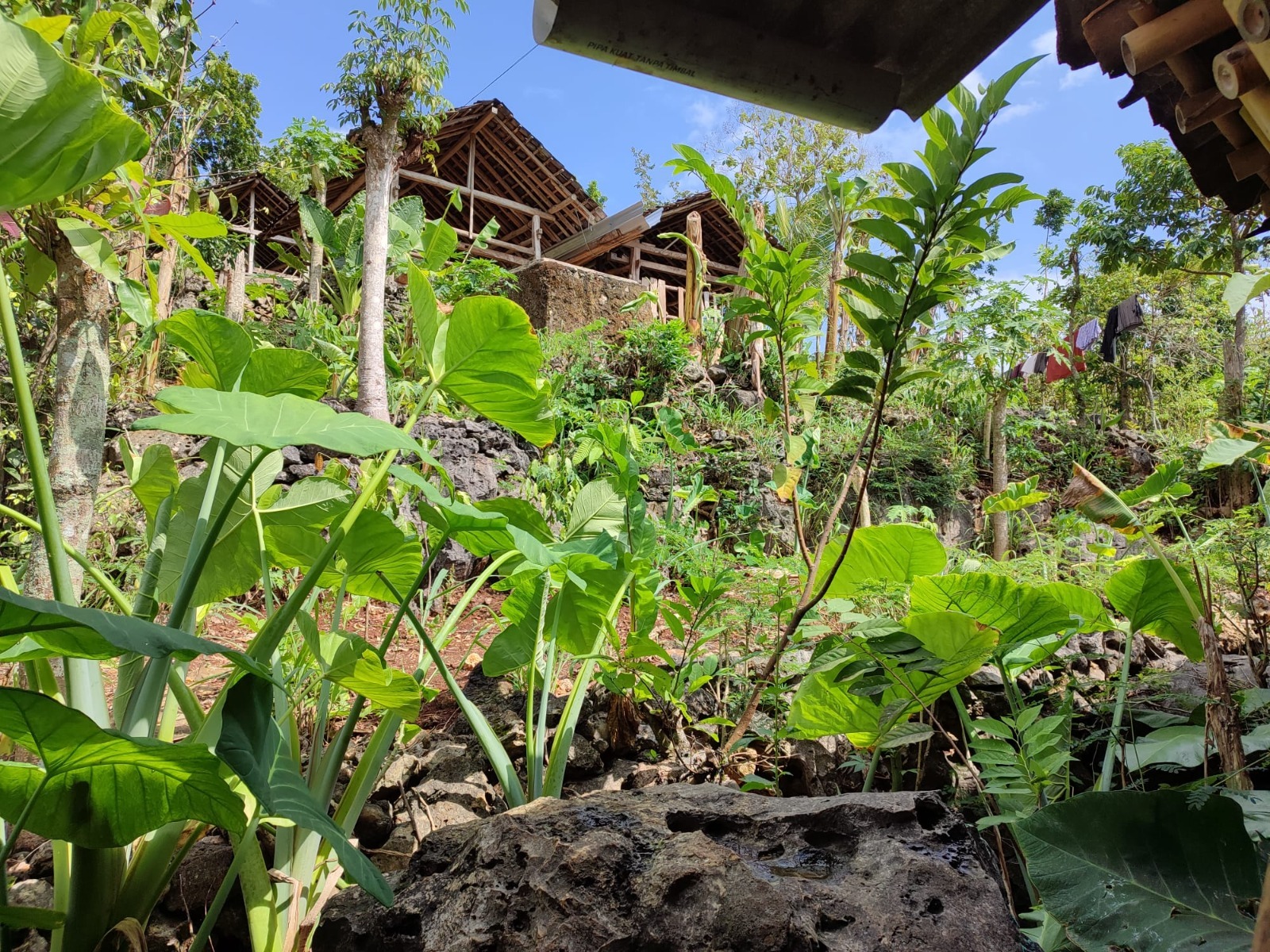
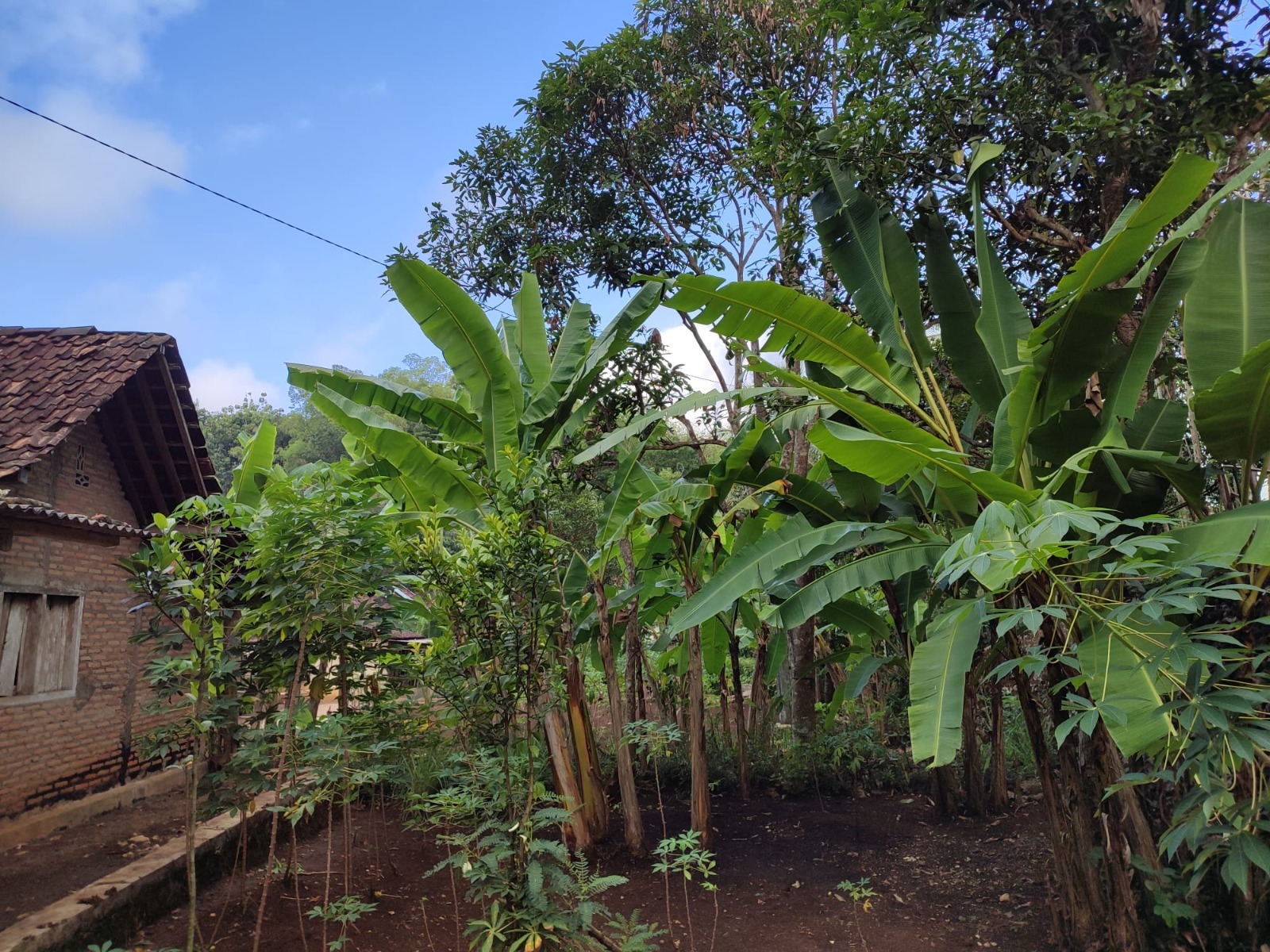
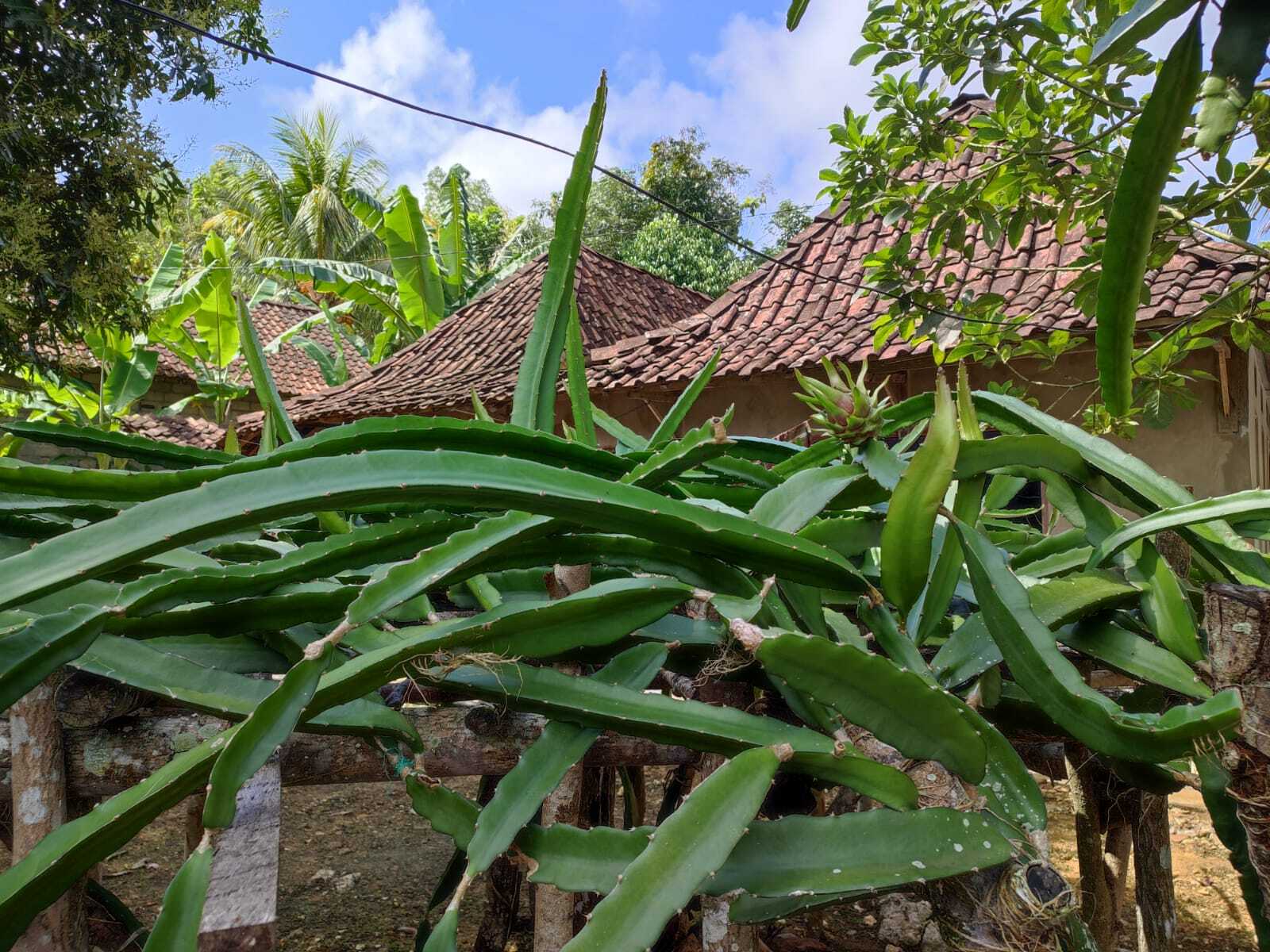
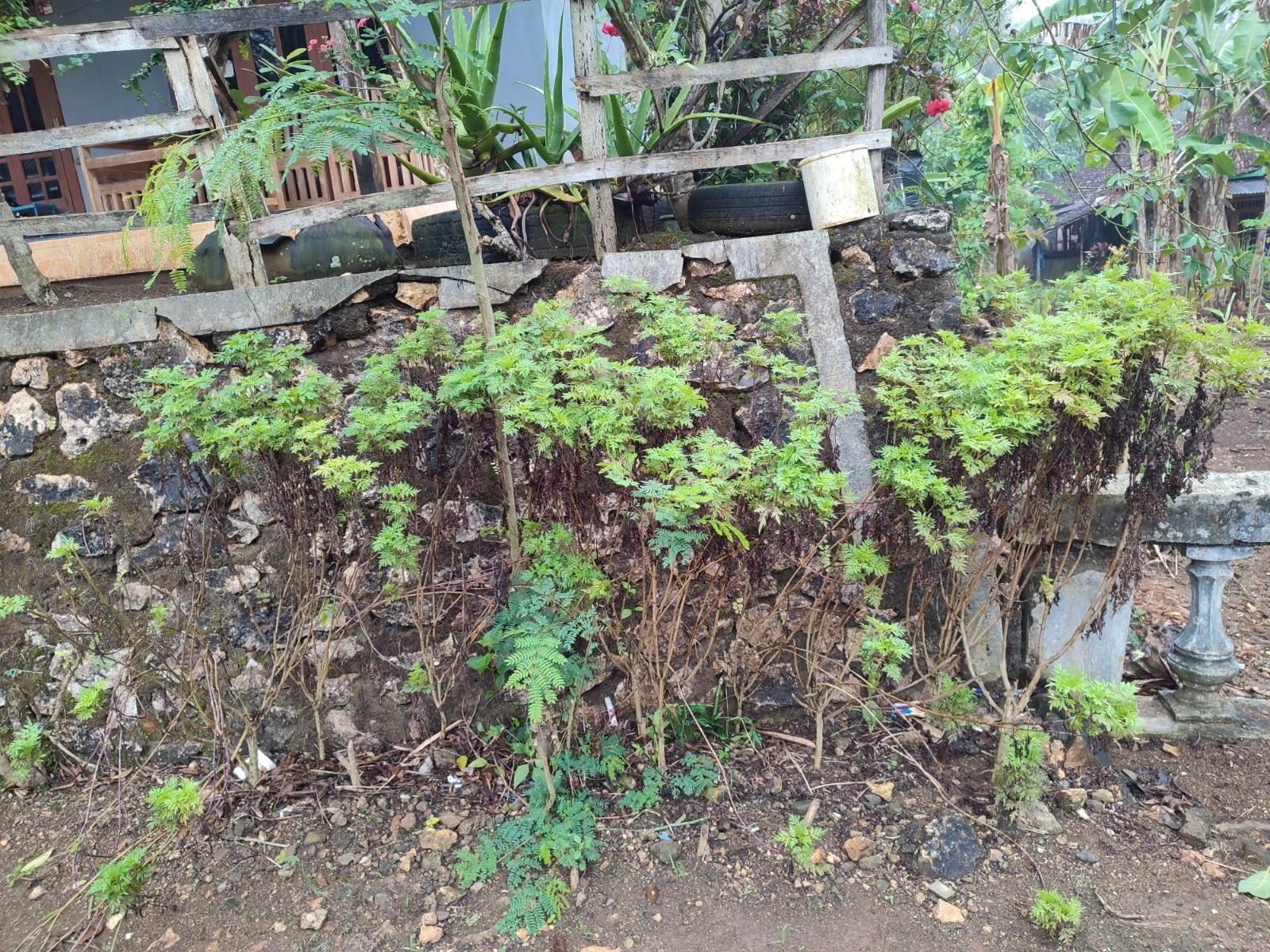
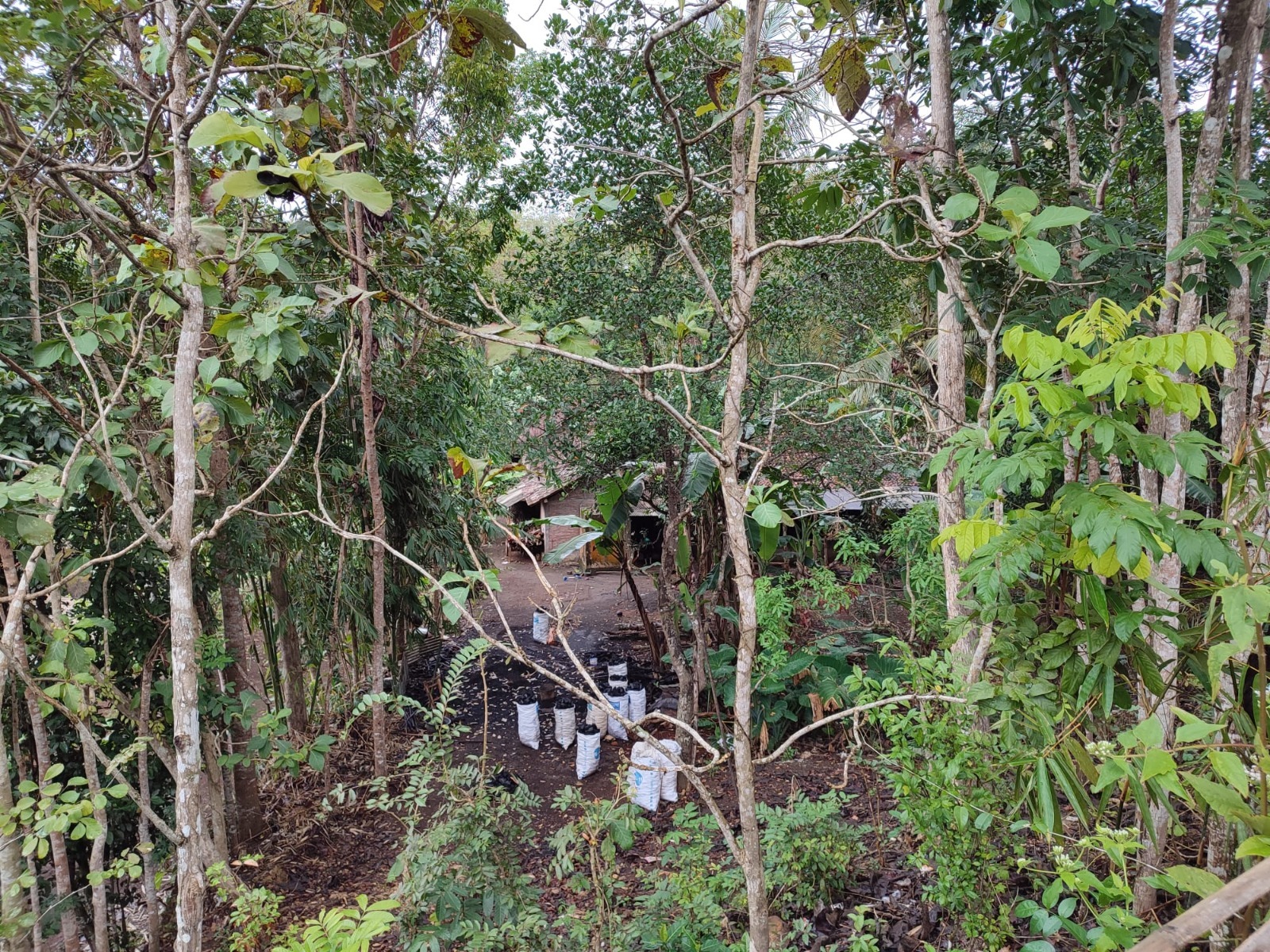
I am sharing the photos from Wintaos, where Pagesangan School is located through WhatsApp. My Gmail storage is exploding! It’s been a personal struggle with Gmail.
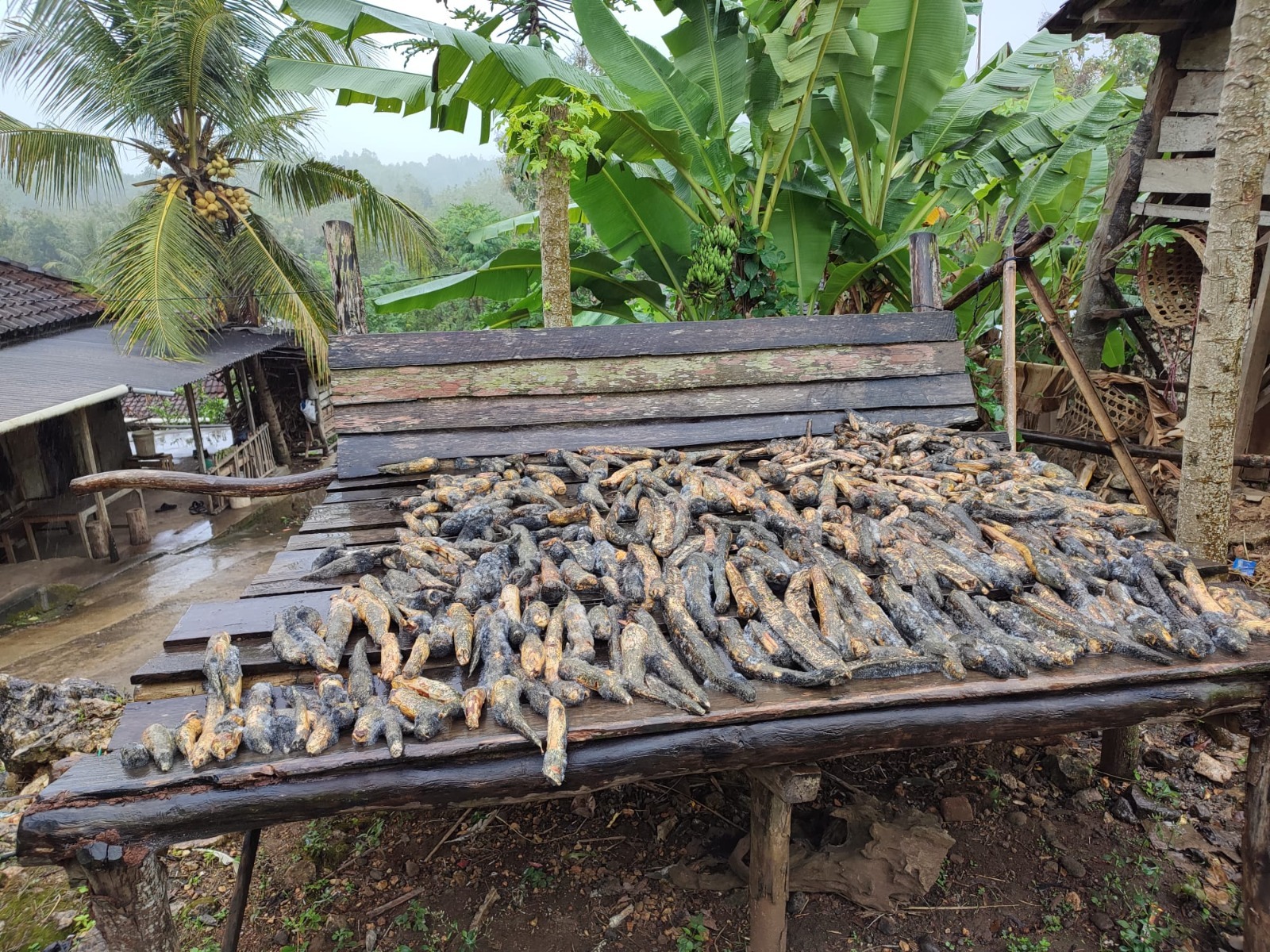
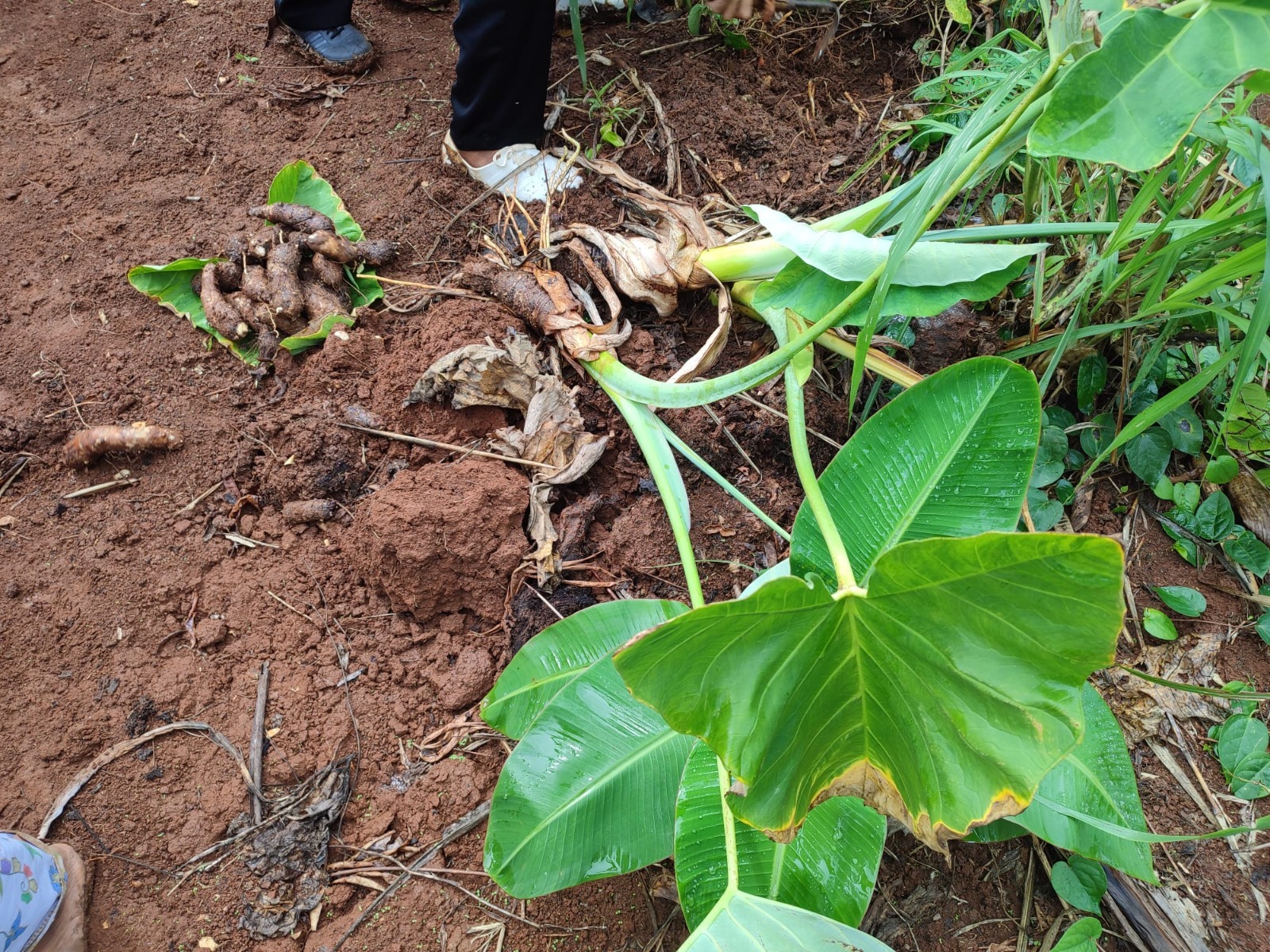
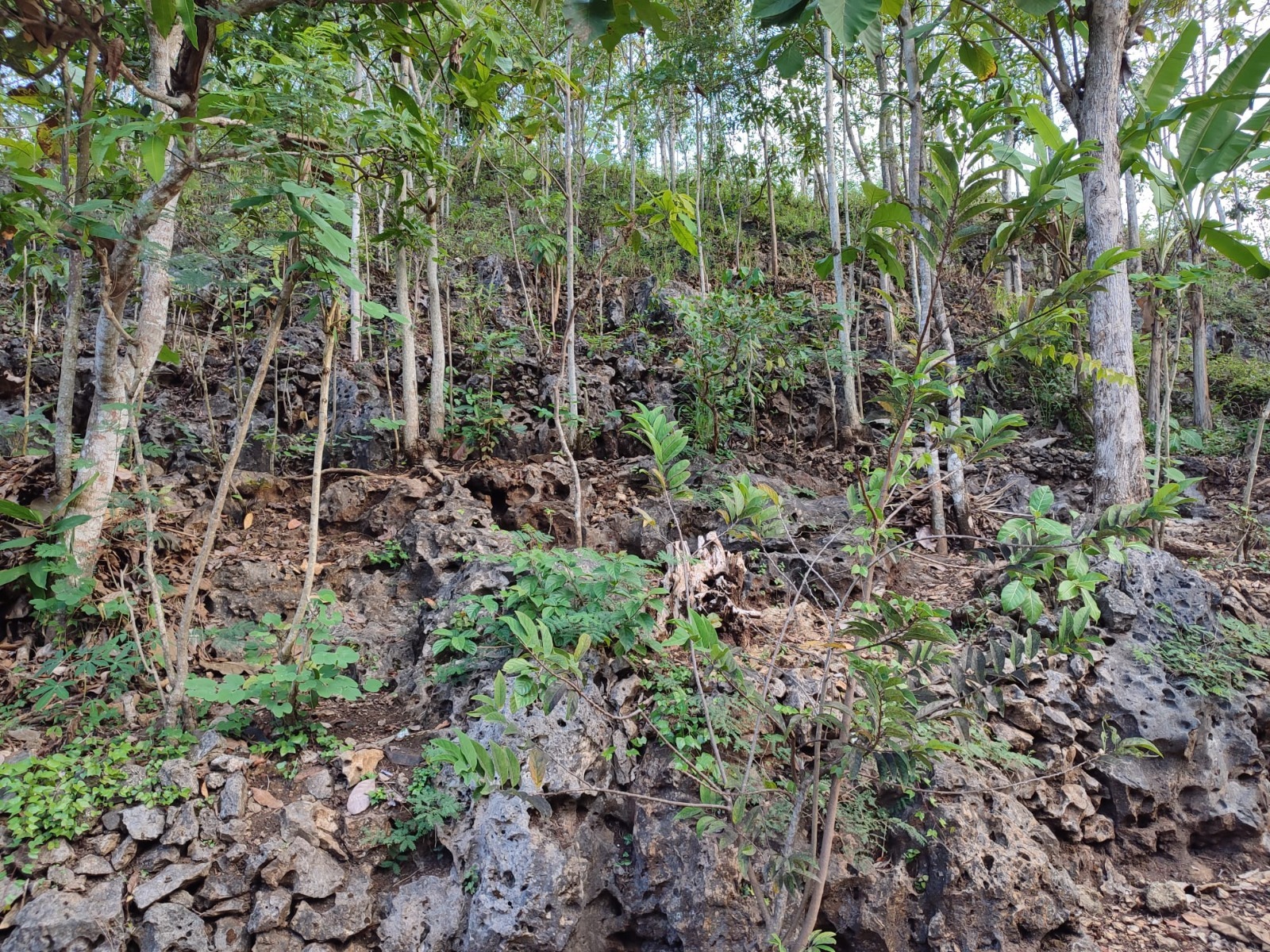
All the photos here were taken during a field trip facilitated through a program called Urip Ndeso, a Javanese phrase means ‘living village’, or ‘experiencing the village through living in it’ (July 4-6). Urip Ndeso is a regular activity of Pagesangan. It becomes an open learning platform for those who want to learn about Wintaos’ vernacular farming technologies. We (Andy, Cahaya, myself) were part of the participants. The program was divided into three parts — Sobo Tegal (Exploring the field), Sobo Pawon (Exploring the kitchen: From the field to the table) and Sobo Olahan (Learning from the small scale industries to make food from local produce). We learnt how to ‘mbenthung telo’, or roasting cassava (Uwi type), make tempeh (soybean cake), and make ‘menggleng’ (savoury cassava crisps), and make coconut oil.
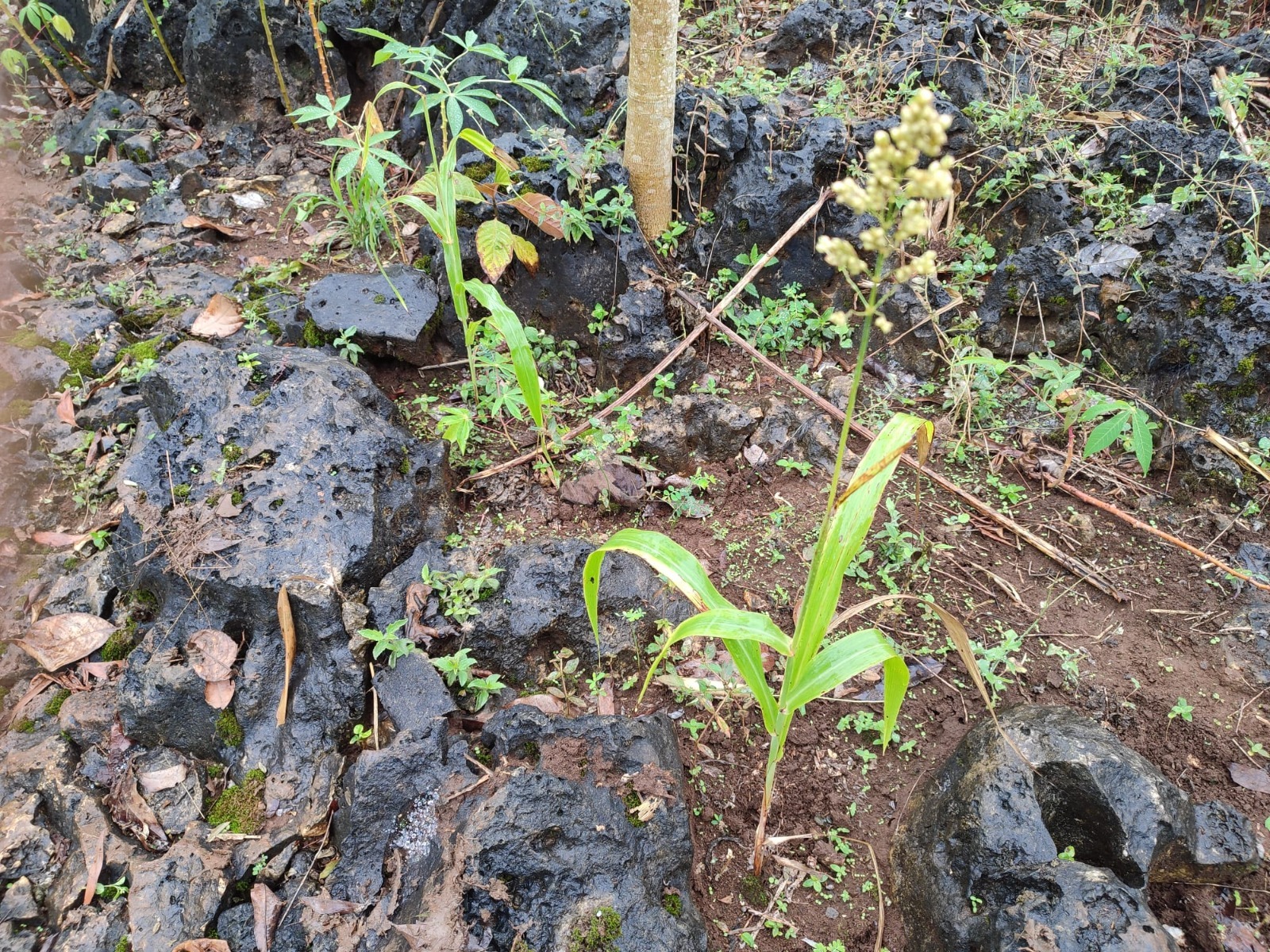
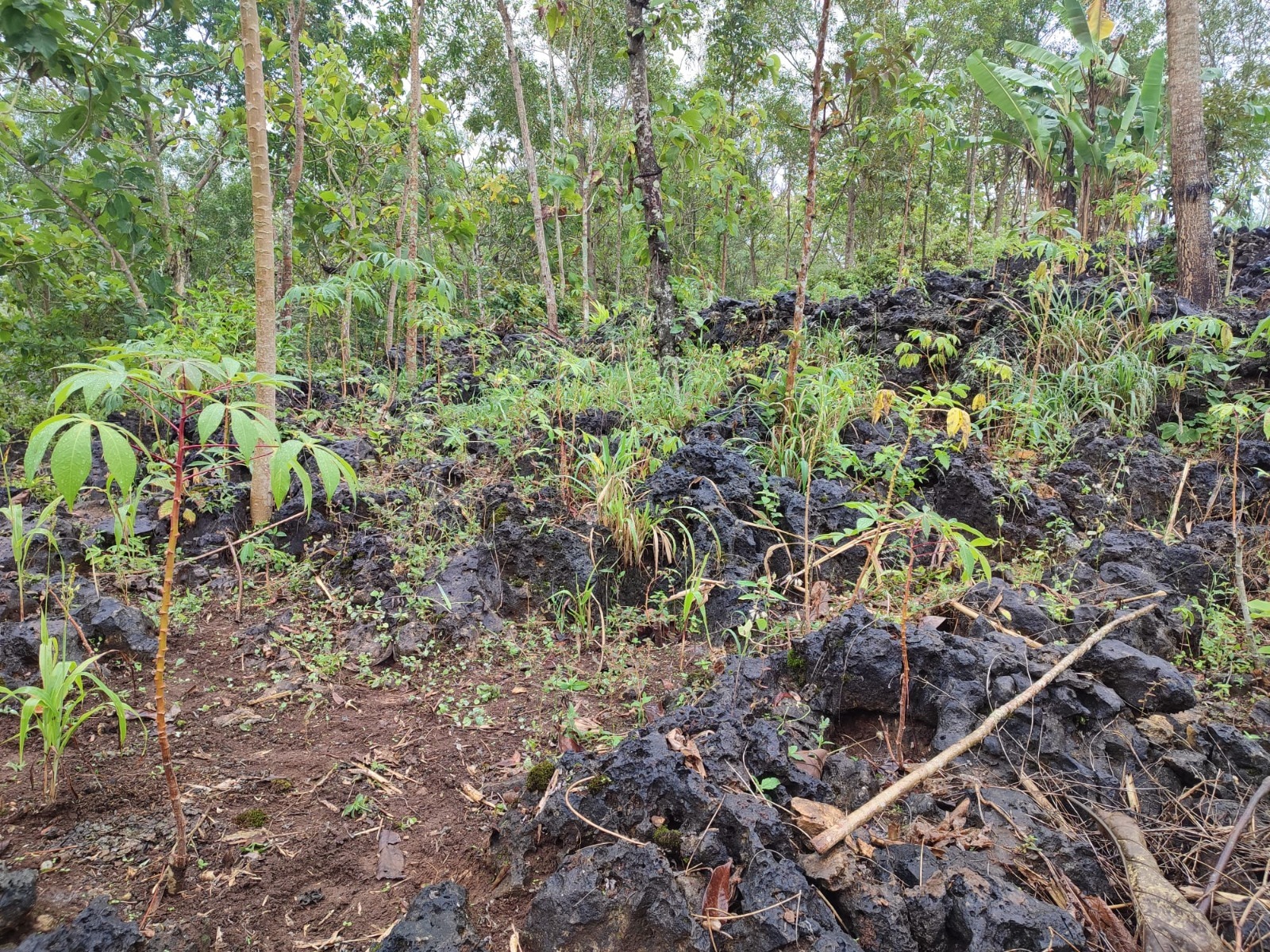
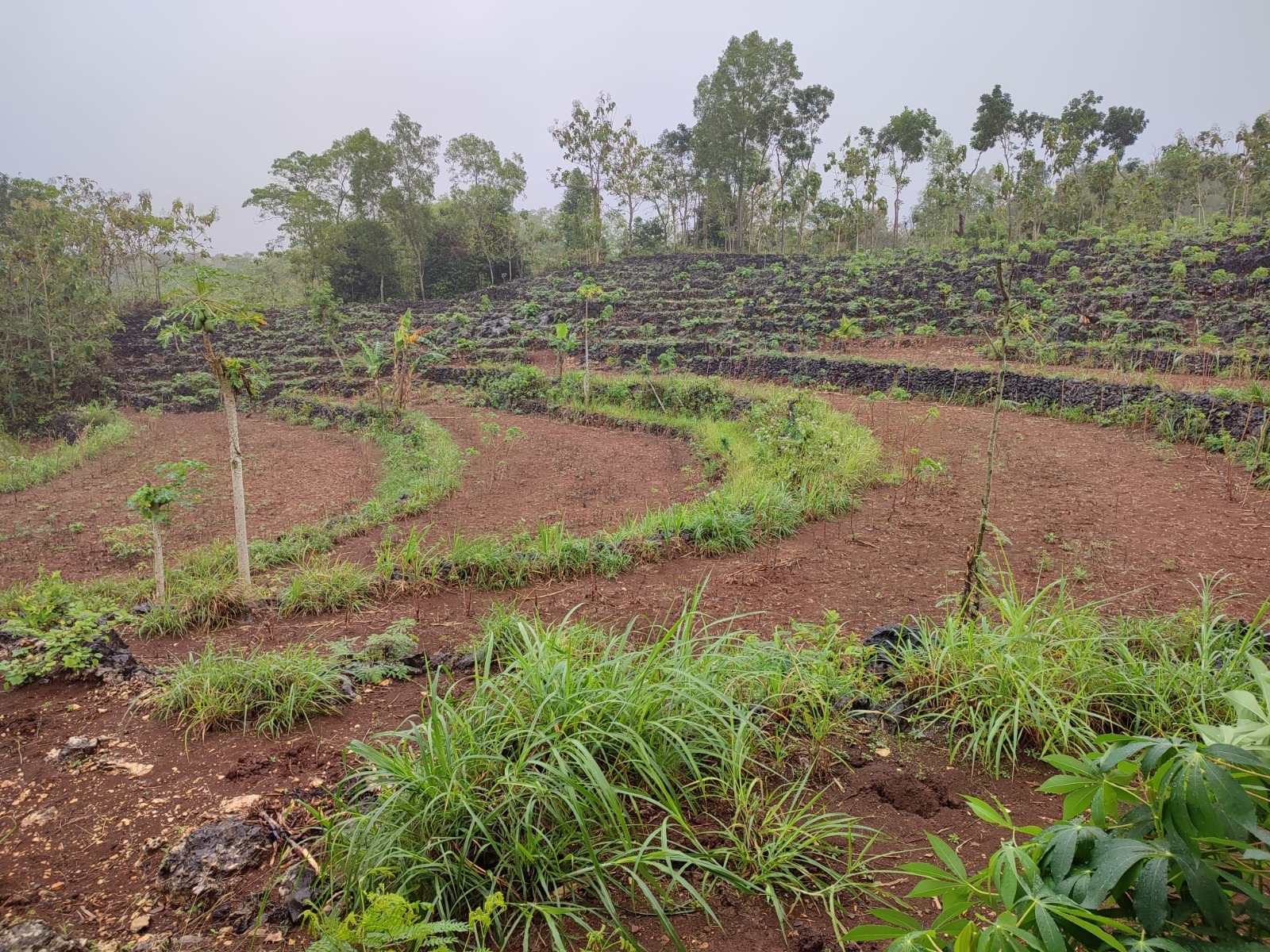
Gunung Kidul is characterised by drylands farming, which is considered to provide only a small contribution to household income. It is often regarded as merely survival farming. For generations, Wintaos farmers are proud of their existence as farmers who are always able to provide food for their families. Dried landscapes is not a limitation, but rather a condition where they developed a specific wisdom about living sustainable with whatever is available around them.
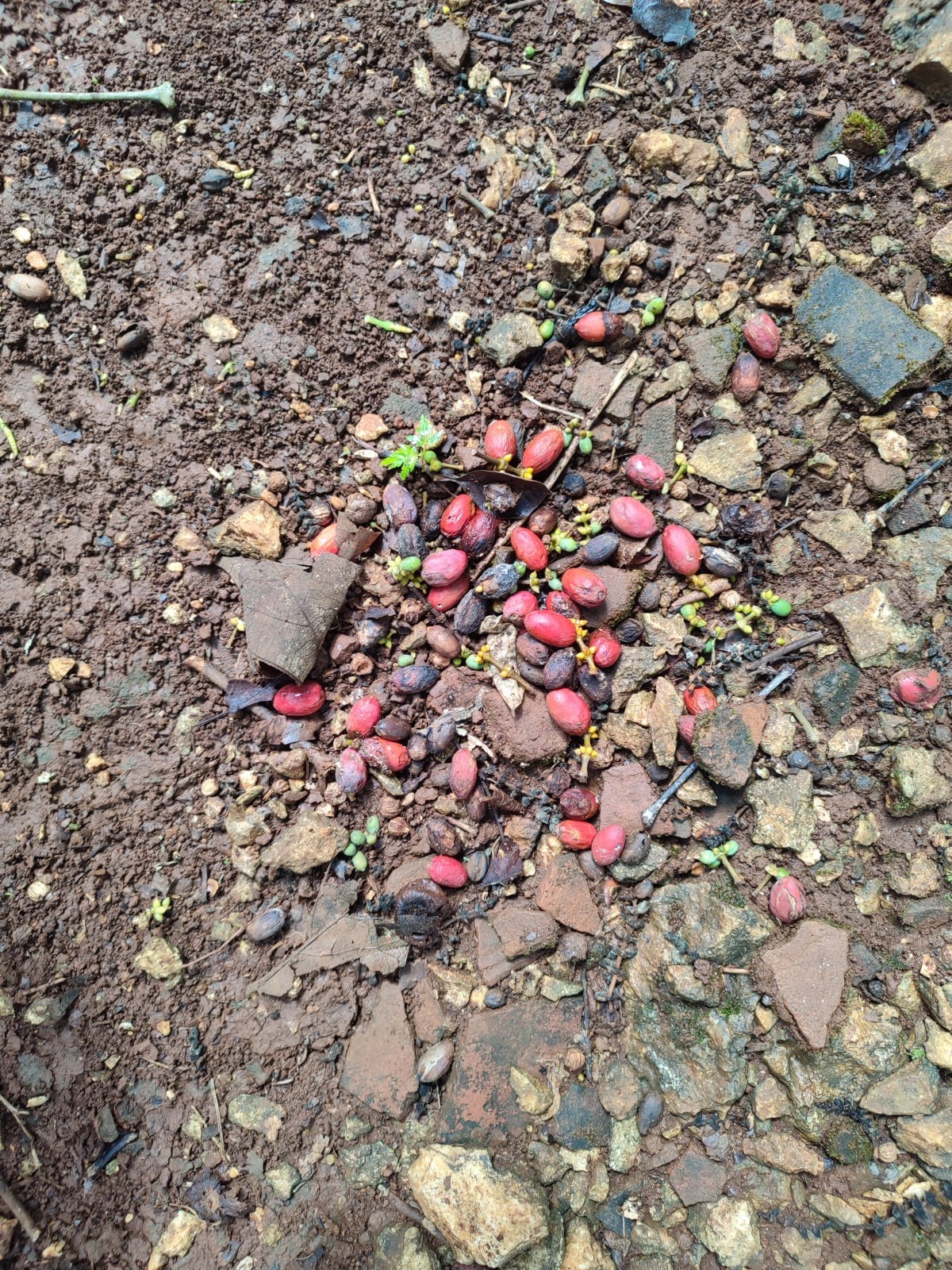
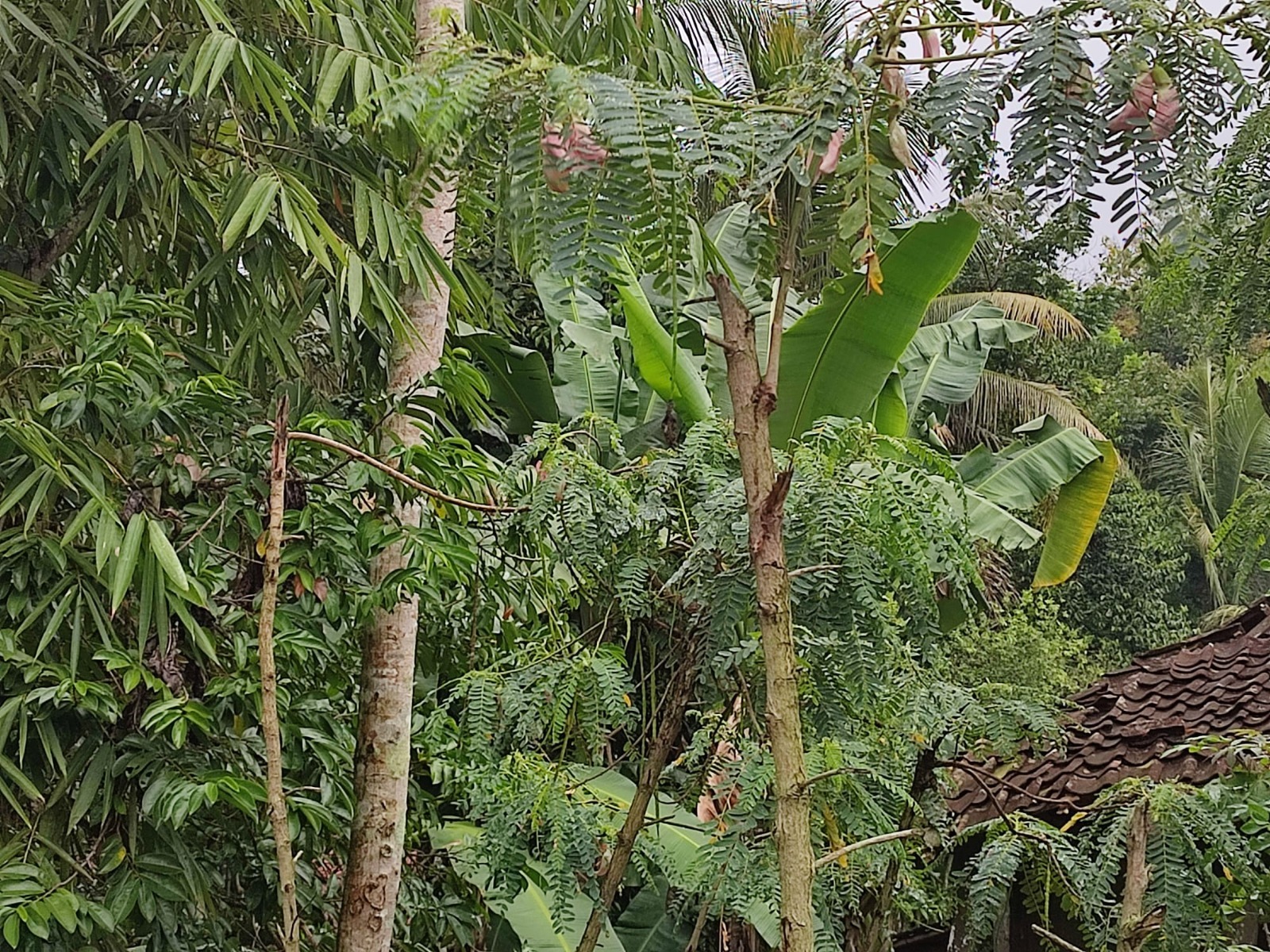
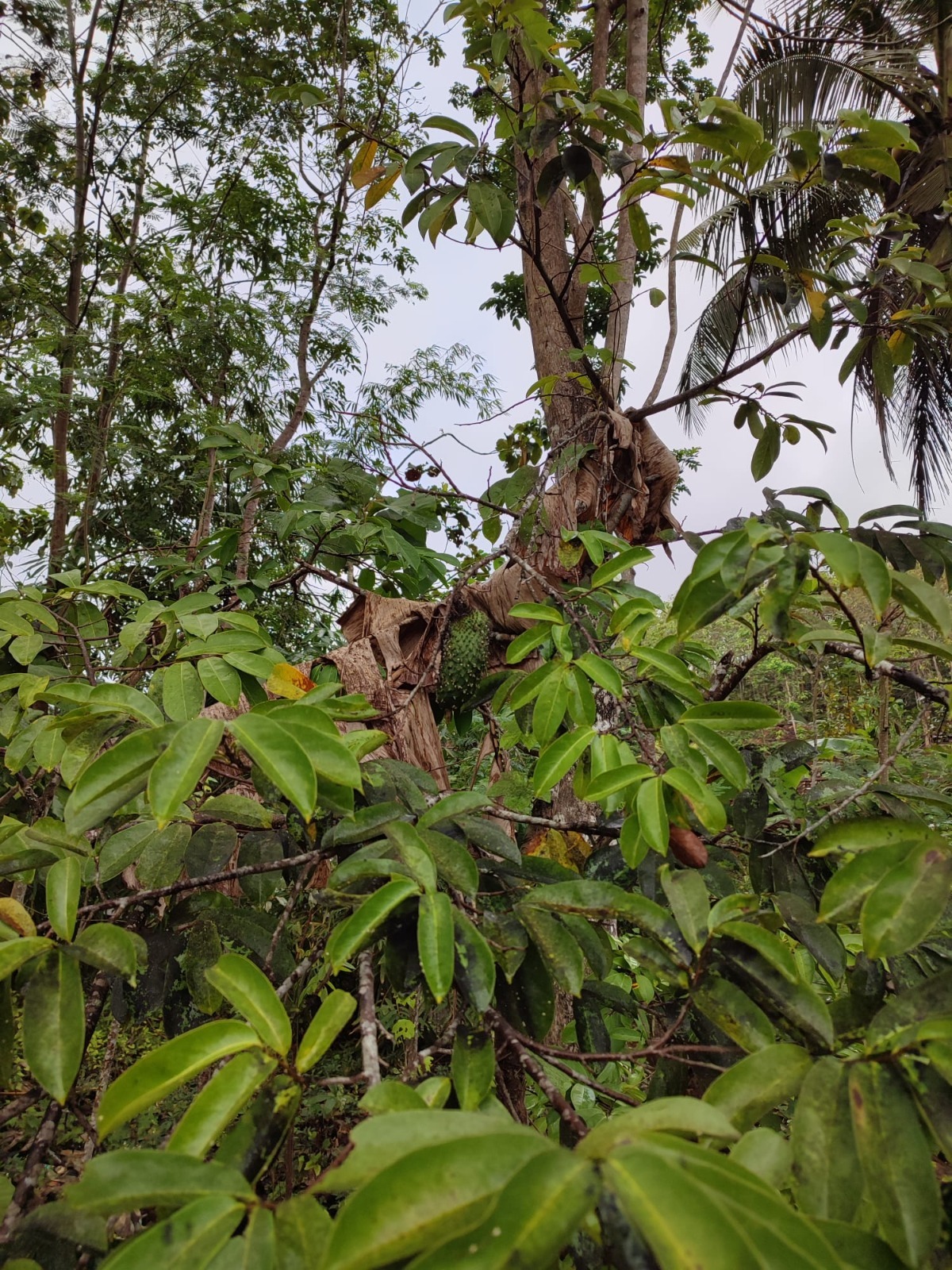
As you are looking at various plants to make food here, I also want to show you the geographical location of the living ecosystem for Puteri, Moni, Trini and Liman. The path heading to Puteri’s family reunion spot is flanked in both sides with Melinjo trees. Trini and Liman like to hang out in among the cassava trees or soursop branches. In the meantime, many farmers built fences around their fields to keep out Moni and their families from eating the peanuts and cassavas...
Nuning x
I am sharing the photos from Wintaos, where Pagesangan School is located through WhatsApp. My Gmail storage is exploding! It’s been a personal struggle with Gmail.
All the photos here were taken during a field trip facilitated through a program called Urip Ndeso, a Javanese phrase means ‘living village’, or ‘experiencing the village through living in it’ (July 4-6). Urip Ndeso is a regular activity of Pagesangan. It becomes an open learning platform for those who want to learn about Wintaos’ vernacular farming technologies. We (Andy, Cahaya, myself) were part of the participants. The program was divided into three parts — Sobo Tegal (Exploring the field), Sobo Pawon (Exploring the kitchen: From the field to the table) and Sobo Olahan (Learning from the small scale industries to make food from local produce). We learnt how to ‘mbenthung telo’, or roasting cassava (Uwi type), make tempeh (soybean cake), and make ‘menggleng’ (savoury cassava crisps), and make coconut oil.
Gunung Kidul is characterised by drylands farming, which is considered to provide only a small contribution to household income. It is often regarded as merely survival farming. For generations, Wintaos farmers are proud of their existence as farmers who are always able to provide food for their families. Dried landscapes is not a limitation, but rather a condition where they developed a specific wisdom about living sustainable with whatever is available around them.
As you are looking at various plants to make food here, I also want to show you the geographical location of the living ecosystem for Puteri, Moni, Trini and Liman. The path heading to Puteri’s family reunion spot is flanked in both sides with Melinjo trees. Trini and Liman like to hang out in among the cassava trees or soursop branches. In the meantime, many farmers built fences around their fields to keep out Moni and their families from eating the peanuts and cassavas...
Nuning x